Table of Contents
- Introduction
- What is Horror Writing?
- The Importance of Creating Atmosphere
- Building Tension and Suspense
- Creating Effective Monsters and Villains
- Crafting Memorable Characters
- Conclusion
Introduction
Horror is a genre that has captivated audiences for centuries. From the classic works of Edgar Allan Poe to modern-day blockbusters like Stephen King's "It," horror has the ability to get under our skin and leave us feeling uneasy long after we've finished reading or watching.
But what makes horror so effective? How do writers create stories that keep us up at night, afraid to turn off the lights? In this article, we'll explore the anatomy of fear and how you can use these techniques to write horror that truly gets under your reader's skin.
What is Horror Writing?
At its core, horror is about fear. It's about taking something that we find terrifying and exploring it in a way that leaves us feeling unsettled. Whether it's ghosts, monsters, or psychological terrors, horror writing is all about creating a sense of unease and fear in your reader.
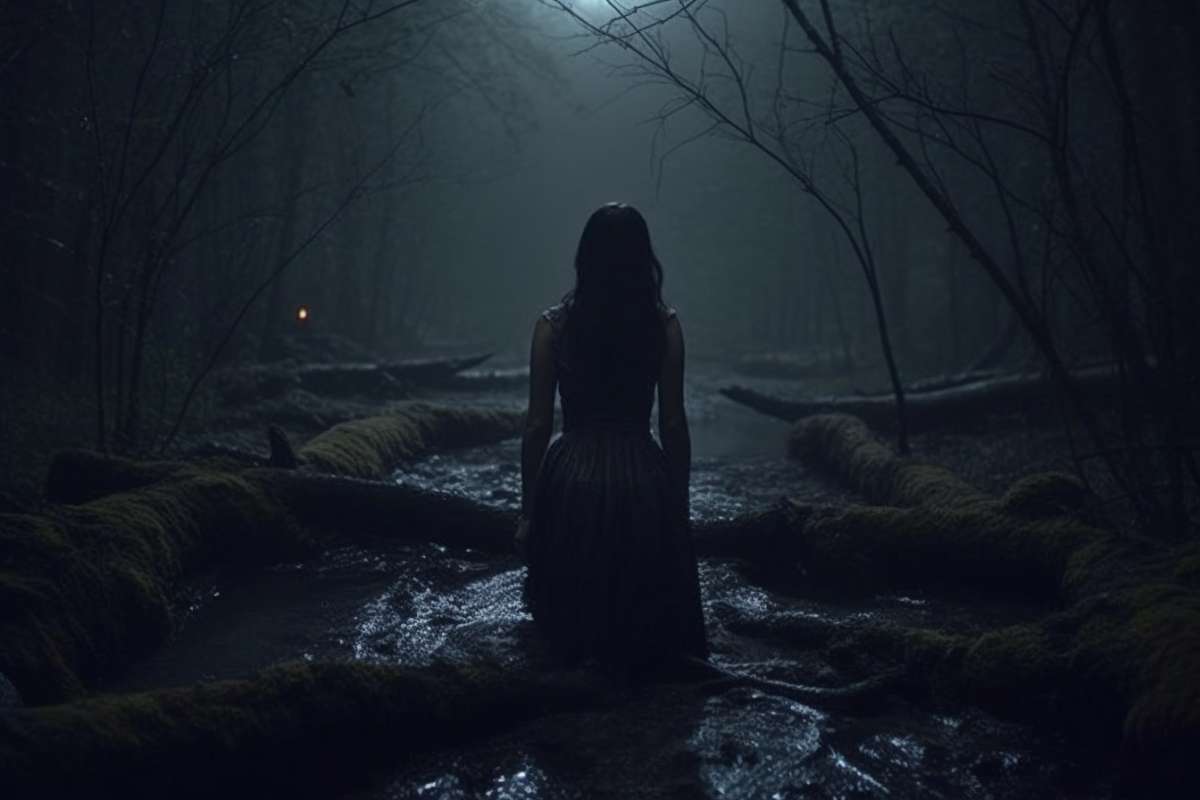
One of the key elements of horror writing is atmosphere. Creating a mood that is dark, ominous, and foreboding is crucial to building tension and keeping your reader on edge. But atmosphere alone isn't enough to create effective horror. You also need to build tension and suspense, create compelling characters, and craft monsters and villains that are truly terrifying.
Also read: Facing Our Fears: What Makes a Horror Story Truly Terrifying?
The Importance of Creating Atmosphere
Atmosphere is the foundation of effective horror writing. It's what sets the mood and creates a sense of unease in your reader. But how do you create atmosphere in your writing?
One way is to focus on sensory details. Use descriptive language to paint a vivid picture of your setting, paying attention to the sounds, smells, and textures that surround your characters. Think about how the environment can enhance the mood of your story. A creaky floorboard, a flickering light, or a distant scream can all add to the tension and create an unsettling atmosphere.
Another important aspect of creating atmosphere is pacing. Take your time to build the tension slowly, allowing your reader to become fully immersed in the story. Use short, punchy sentences to create a sense of urgency during the more intense moments, but slow down and linger on the details during the quieter moments.
Building Tension and Suspense
Once you've established your atmosphere, it's time to build tension and suspense. These are the elements that keep your reader on the edge of their seat, waiting to see what happens next.
Also read: The Language of Love: Writing Romance That Captivates
One effective way to build tension is to use foreshadowing. Drop hints and clues throughout the story that something bad is going to happen, but don't give away too much too soon. Keep your reader guessing and on edge.
Another way to build tension is to create a sense of dread. This can be done by establishing a sense of impending doom or by creating a situation that feels hopeless or inescapable. Think about how you can make your reader feel trapped alongside your characters, and use that sense of claustrophobia to increase the tension.
Finally, pacing is key to building tension and suspense. Use shorter sentences and paragraphs during the more intense moments, creating a sense of urgency and tension in your reader. Then, slow down during the quieter moments, allowing your reader to catch their breath and reflect on what's happening.
Creating Effective Monsters and Villains
No horror story is complete without a terrifying monster or villain. But how do you create an antagonist that truly scares your readers?
Also read: Fact Meets Fiction: The Art of Blending History and Storytelling
One way is to make your monster or villain feel unpredictable. Think about how you can subvert your reader's expectations, creating a sense of unease and uncertainty. Your monster or villain doesn't need to be invincible, but they should feel dangerous and unpredictable, keeping your reader guessing about what will happen next.
Another important aspect of creating effective monsters and villains is to give them a backstory. What drives your antagonist to do what they do? What motivates them? Giving your monster or villain a compelling backstory can add depth and nuance to your story, making them feel more real and more terrifying.
Crafting Memorable Characters
Finally, no horror story is complete without compelling characters. Your readers need to care about the people in your story if they're going to be invested in what happens to them.
One way to create memorable characters is to give them flaws and weaknesses. No one is perfect, and your characters shouldn't be either. By giving your characters flaws, you make them feel more human and relatable, which can create a stronger emotional connection with your reader.
Another important aspect of creating memorable characters is to make them active participants in the story. Don't just have your characters reacting to the horrors around them; give them agency and let them make choices that impact the outcome of the story.
Conclusion
Writing effective horror is all about understanding the anatomy of fear. By creating atmosphere, building tension and suspense, crafting memorable characters, and creating effective monsters and villains, you can write horror stories that truly get under your reader's skin. So the next time you sit down to write a horror story, remember these techniques and let your imagination run wild.